Skip to content

01Water

From water to your table

Caviar, handled with precision at every step.

02The Sturgeon

Raised slowly, in controlled water

A controlled aquaculture environment — steady temperature, clean filtration, room to grow. Sturgeon mature on their own timeline, and that timeline is what decides how the roe finally tastes.

03The Roe

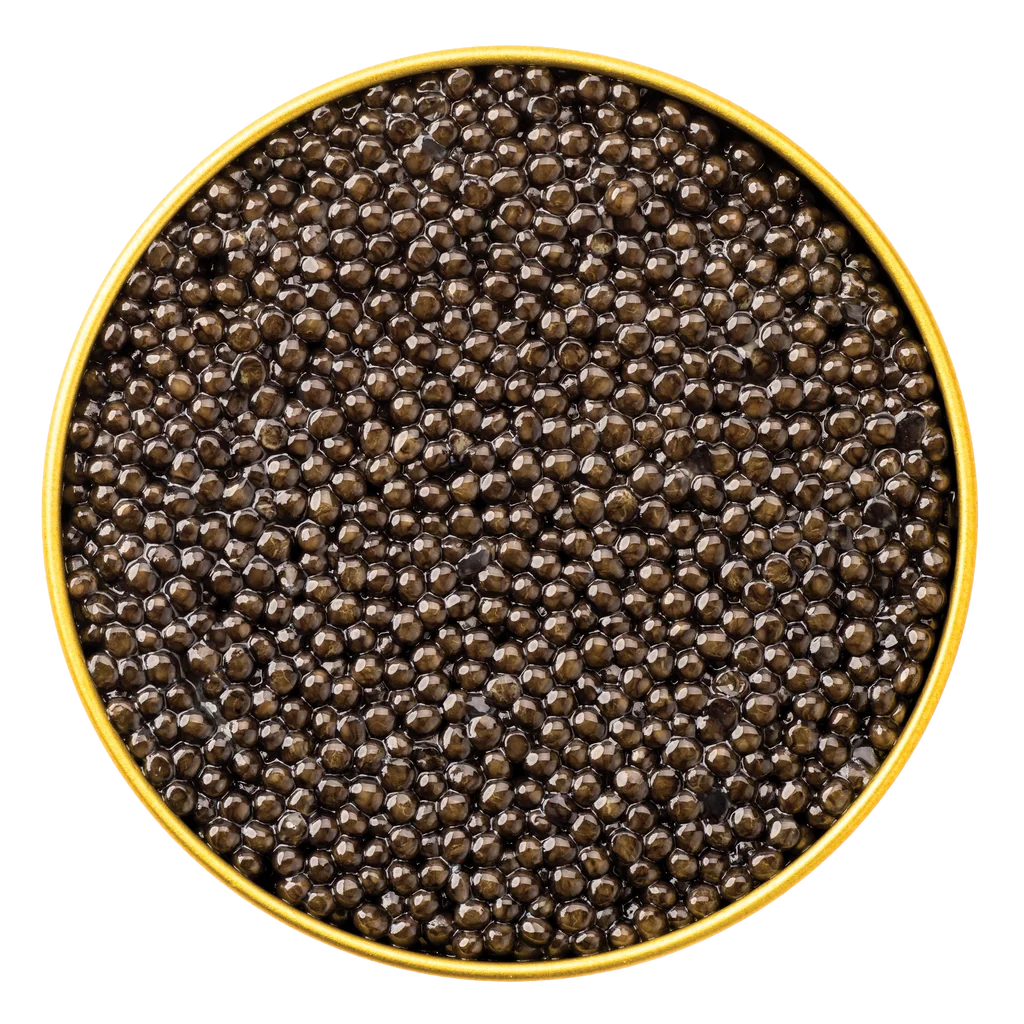
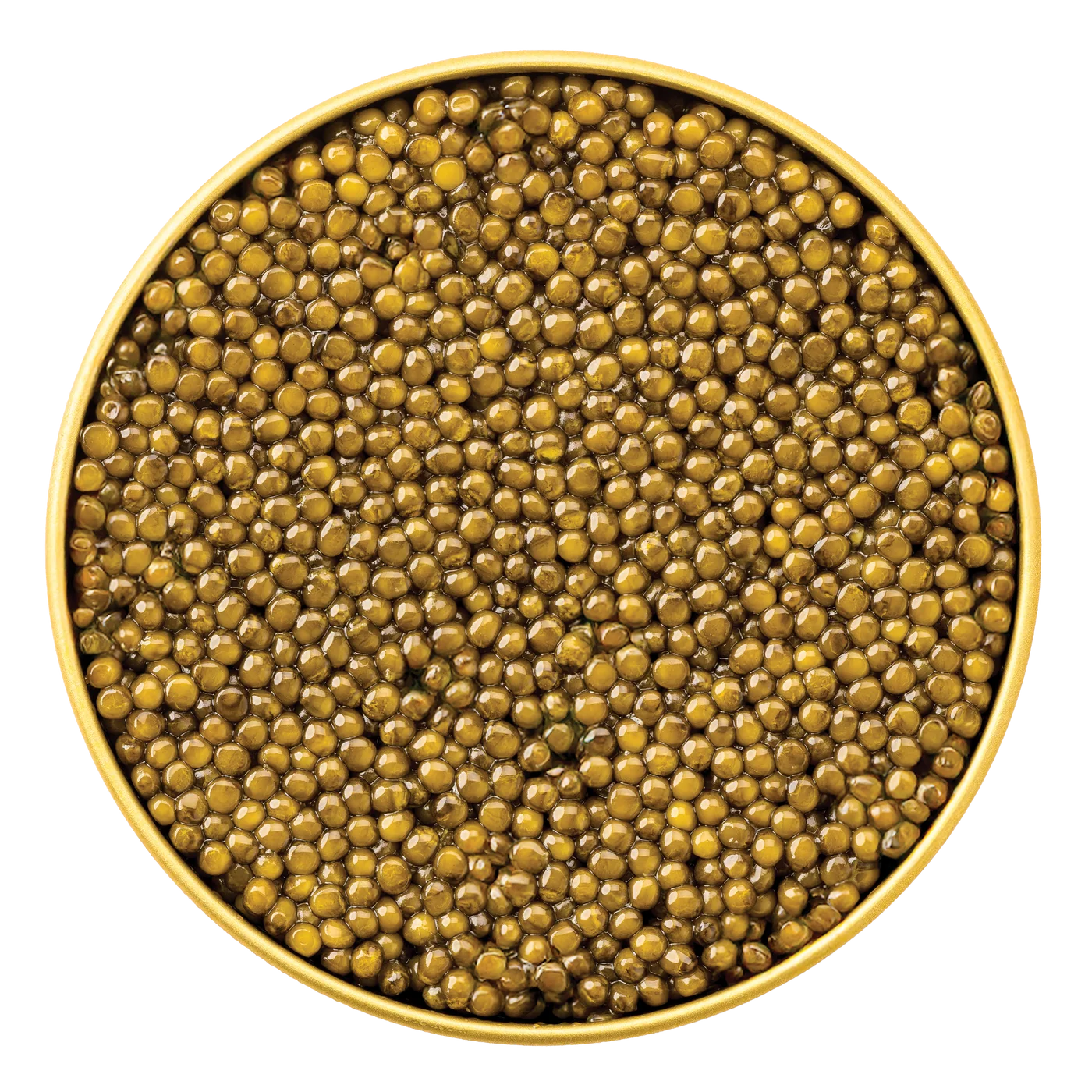
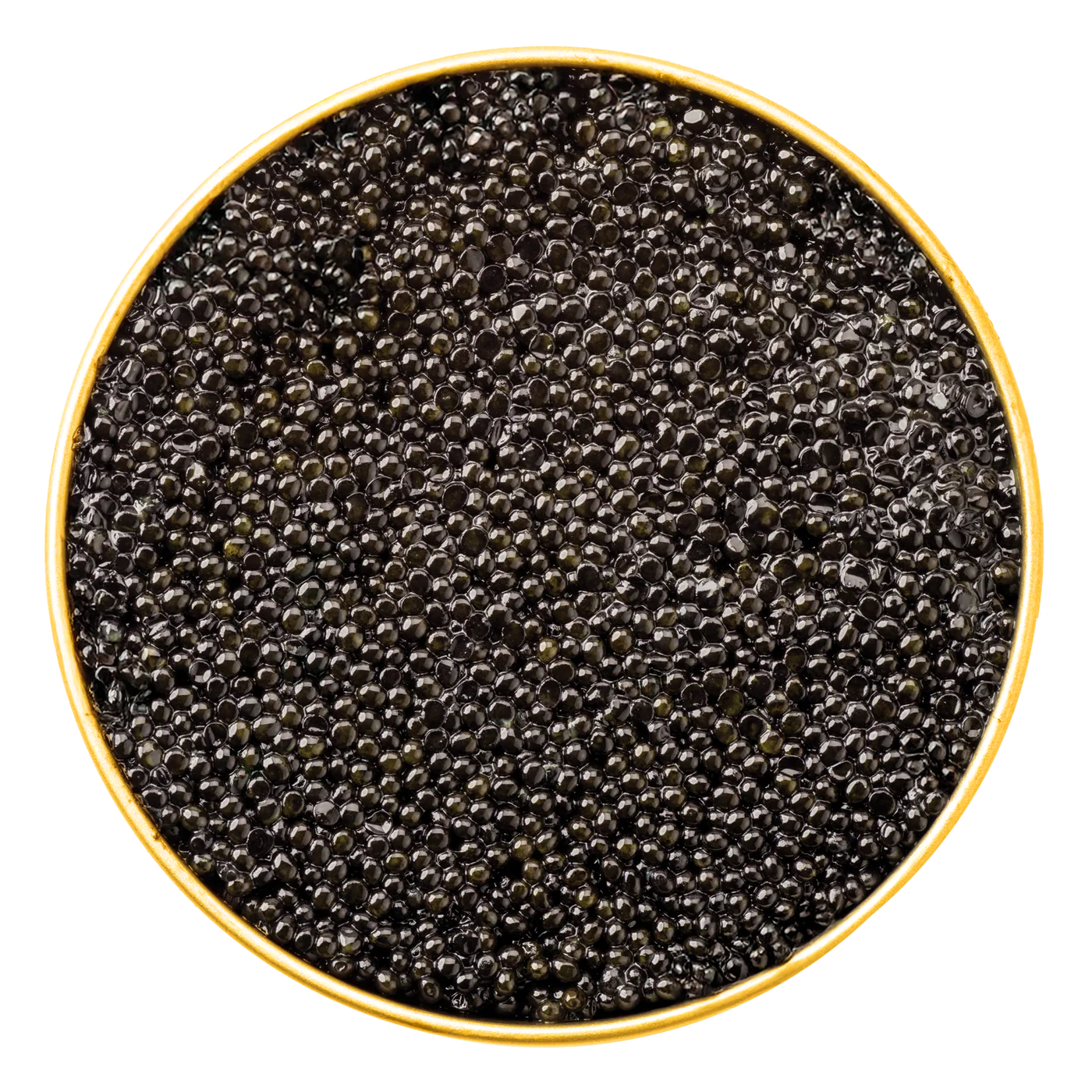
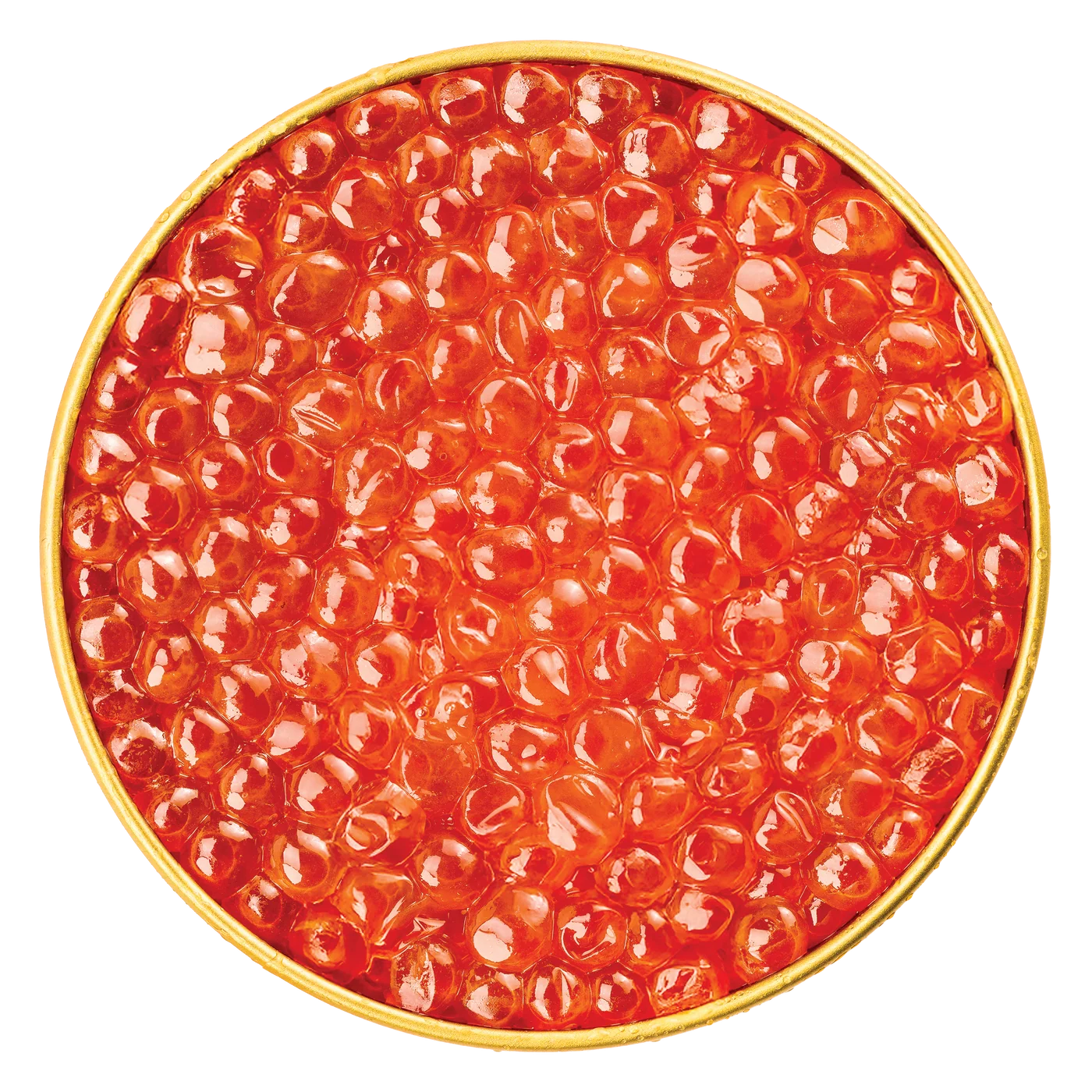
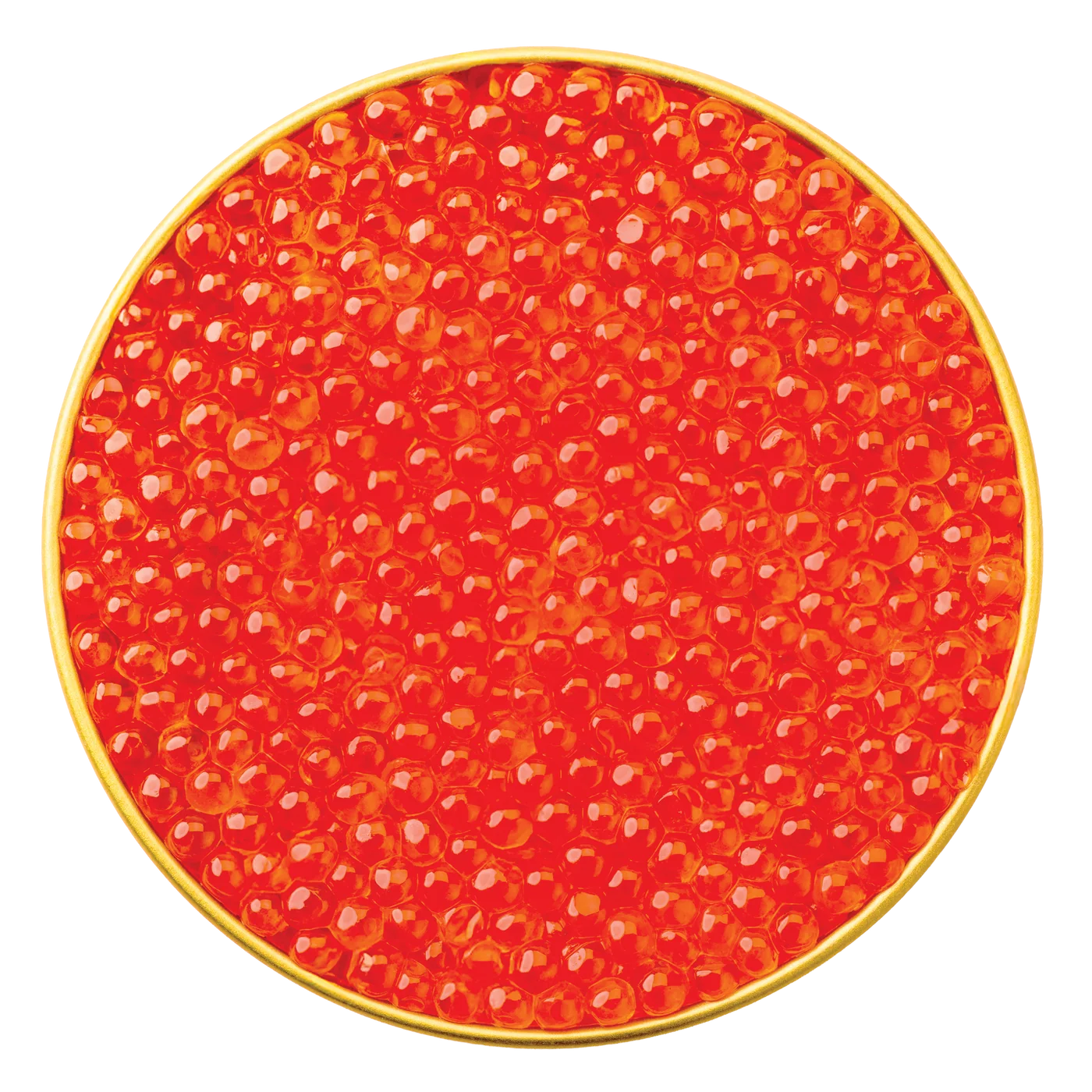
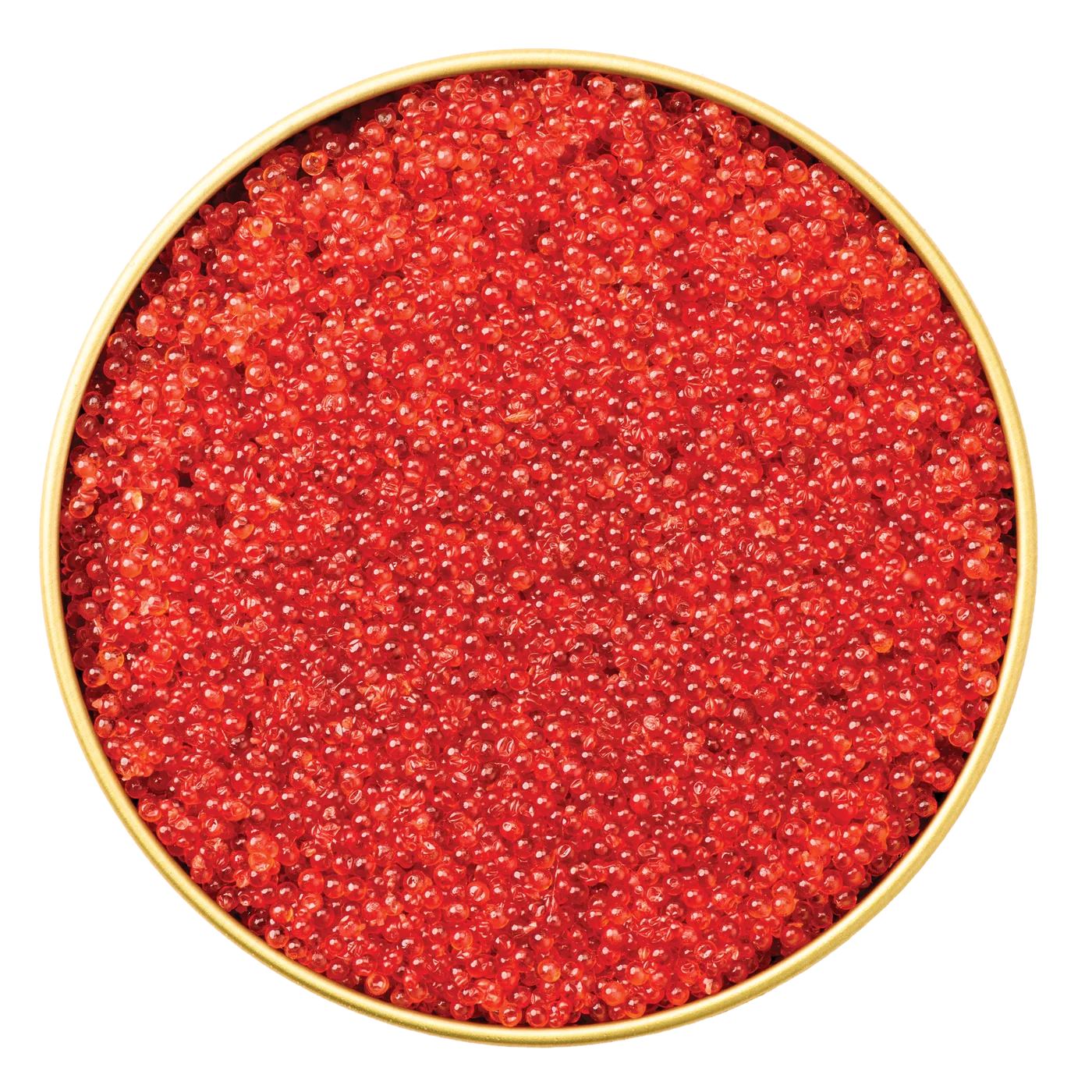
The grain is the whole argument

Firm, separate, glossy. Everything upstream exists to build that structure. Everything downstream exists to keep it intact.

04The Craft

Graded, rinsed, salted, judged

Screened by hand, rinsed cold, lightly salted, then tasted and graded. Minutes matter here — and so does restraint.

  • Grading
  • Cleaning
  • Salting
  • Inspection

05The Tin

Sealed into the tin

Packed, pressed and closed under tension so the tin holds its own atmosphere. From this moment the only variable left is temperature.

06The Cold Chain

Cold, without interruption

Cold storage, temperature-controlled handling, insulated packaging. The tin never has to warm up in order to move.

07Overnight

Overnight, across the country

The package travels overnight inside its own insulated packaging — handled as perishable from pickup to delivery.

08Your Door

It arrives cold

Delivered still cold, ready to go straight to the refrigerator — or straight to the table.

09The Table

Open it

A mother-of-pearl spoon, a cold tin, and nothing else required.

The cold chain

Cold, from farm to front door

Caviar depends on cold handling as much as on the roe itself. This is the path every tin follows, from the farm to your front door.

  1. 01Farm

    Harvest and hold

    Roe leaves the fish and enters chilled handling immediately. The clock that matters starts here.

    Holding
    34–38°F
  2. 02Processing

    Grade, rinse, salt

    A cold room, short handling windows, and every batch judged before it moves on.

    Room
    32–36°F
  3. 03Cold storage

    Tinned and rested

    Sealed tins rest under continuous refrigeration so salt and roe settle into each other.

    Storage
    28–30°F
  4. 04Packaging

    Insulated and sealed

    Tins are packed into an insulated shipper with coolant sized to the route, then sealed cold.

    Pack-out
    28–32°F
  5. 05Overnight transit

    In the network

    The shipper moves overnight inside its own thermal envelope rather than relying on the vehicle.

    In transit
    30–36°F
  6. 06Your door

    Delivered cold

    The box arrives still cold, with the tin ready to move to a refrigerator or straight to the table.

    On arrival
    ≤ 40°F

Caviar & Roe

Begin with one tin

Thirty grams is enough to settle the argument. Buy one, keep it cold, and open it the day it lands.